Document Management Software That Ends Chaos


Move beyond complex folder structures and inconsistent file names.
PIQNIC classifies documents using metadata such as customer, project, matter, transaction or document type. Users can search using familiar business information and create saved searches for the documents they need regularly.
The result is faster retrieval without requiring everyone to remember where something was saved.

Bring customers, suppliers, consultants and other authorized participants into the work without creating uncontrolled copies or lengthy email trails.
External users can collaborate on selected documents, tasks and workflows within PIQNIC, while your organization retains control over the information they can access.

Define access policies around roles, responsibilities and business requirements.
PIQNIC helps ensure that only authorized users can access specific documents. Audit history provides visibility into activity such as who accessed or downloaded information, supporting stronger security and accountability.
Eliminate confusing file names and uncertainty about which document is current.
PIQNIC maintains document versions in one controlled record, with timestamps and history showing how information has changed. Users can collaborate with confidence, knowing they are working with the correct version.

Apply consistent controls to information from the moment it enters your organization.
Manage storage, access, retention, archiving and audit requirements through configurable policies. This helps your organization reduce information risk and support its governance and regulatory obligations.

Make the right document available within the systems and applications your teams already use.
PIQNIC can integrate with core business platforms so documents remain centrally managed without creating unnecessary copies. Desktop integration can also connect familiar folder environments with PIQNIC metadata, policies and workflows.

Different departments create, use and govern information in different ways.
Configure document classes, metadata, access, storage and retention requirements around the needs of finance, legal, operations, HR and other teams, while maintaining organization-wide governance standards.

Traditional enterprise document management can be difficult to deploy and maintain.
PIQNIC combines configurable enterprise capabilities with straightforward administration. Begin with a defined requirement, then expand across document types, teams and processes with support from PIQNIC specialists and implementation partners.

Bring documents into PIQNIC from folders, shared drives and legacy document management systems.
Data cleansing and existing metadata is maintained as information is migrated so documents become easier to find, manage and govern.

Single action document control and compliance directly into the tools your team already uses every day including Word, Outlook, and more.
PIQNIC is context aware, so it knows what you’re working on and presents users with their latest projects, tasks and work so documents and files are saved to the right place. Auto version control, storage and retention policies are applied. This is document management reimagined.
Learn more here – Document Management for Microsoft 365
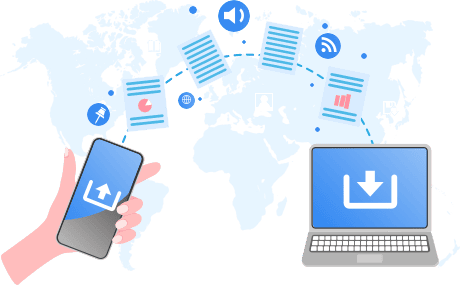
AI delivers better results when it can work with information that is structured, current and relevant.
PIQNIC enriches documents with metadata and business context while maintaining version, access and lifecycle controls. This creates a stronger information foundation for approved enterprise AI initiatives.
Instead of drawing from uncontrolled files with unclear ownership or context, connected AI systems can be given access to authorised information organised around customers, projects, matters, transactions and processes.

Documents rarely exist on their own. They are created, reviewed and approved as part of tasks, decisions and business processes.
PIQNIC connects document management with workflow automation, task management and collaboration. This keeps information linked to its purpose and provides a more complete record of the work surrounding it.